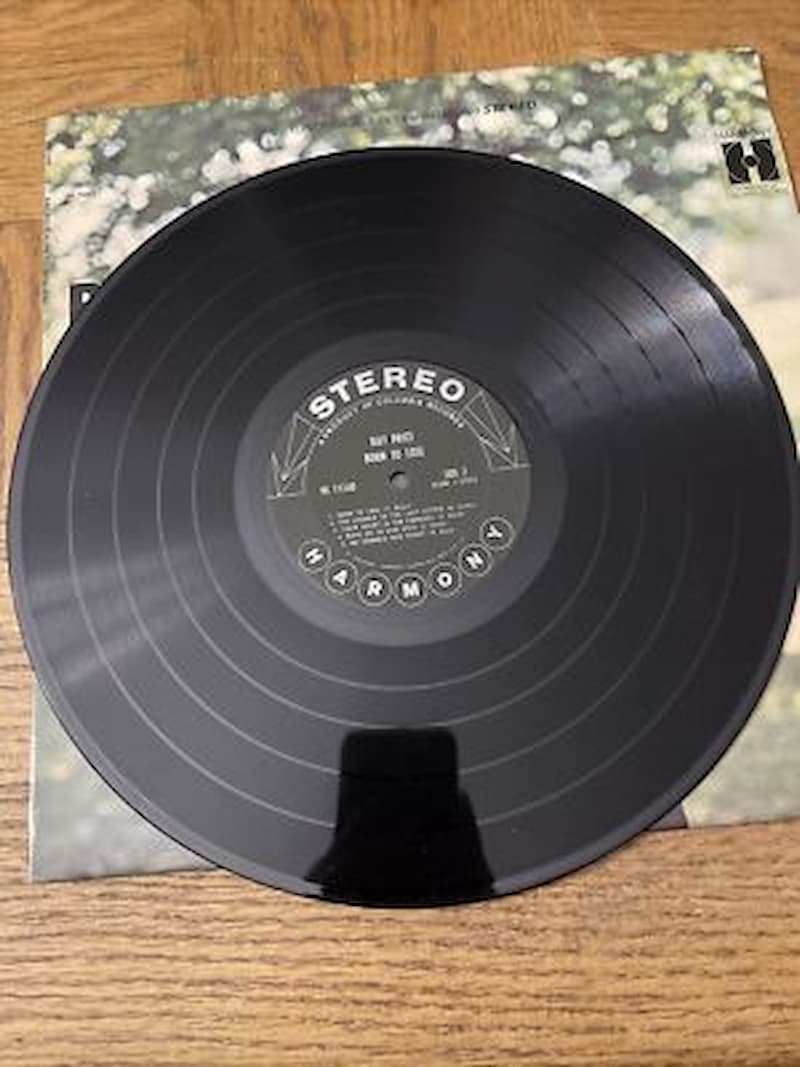
About The Song
Ray Price’s rendition of “Born to Lose” stands as a masterclass in the transitional era of country music, bridging the gap between raw honky-tonk and the polished “Nashville Sound.” Released in 1965 as part of his critically acclaimed studio album, The Other Woman, the track serves as a testament to Price’s vocal evolution. While many associate the song with the original 1942 version by Ted Daffan or the 1962 soul-infused cover by Ray Charles, Price brought a unique, weary sophistication to the material. Recorded at Columbia Studios in Nashville in May 1965, the session featured a stripped-back version of the “Ray Price Beat”—a 4/4 shuffle rhythm he popularized—allowing his rich baritone to take center stage against a backdrop of subtle pedal steel and soft percussion.
The album itself, The Other Woman, was a significant commercial success for Columbia Records. It debuted on the Billboard Country Albums chart in October 1965, eventually peaking at number three and maintaining a presence on the charts for a staggering 38 weeks. Although the title track and “Don’t You Ever Get Tired of Hurting Me” were the primary radio singles, “Born to Lose” became a favorite among fans who appreciated Price’s ability to inject dignity into themes of heartbreak. By the time this record was released, Price was already a Hall of Fame-caliber artist, but he was intentionally moving away from the loud, fiddle-heavy sounds of his youth toward a more “countrypolitan” aesthetic that could appeal to pop audiences without losing its rural soul.
The history of the song “Born to Lose” is as storied as the artist himself. Written by Ted Daffan under the pseudonym Frankie Brown, the song was born out of a moment of creative desperation in the early 1940s. Daffan, a pioneer in the use of electric instruments, allegedly came up with the title after seeing a “Born to Lose” tattoo on a man’s arm, though other legends suggest he simply felt the phrase captured the universal human experience of persistent bad luck. When Price tackled the song two decades later, he was no longer the “Cherokee Cowboy” who had toured with Hank Williams. He was a veteran performer who understood that a song about losing everything required a voice that sounded like it had lived through every word.
Interestingly, the recording sessions for the 1965 album were marked by a high level of musicianship from his backing band, the Cherokee Cowboys. This era of the band featured luminaries like pedal steel master Buddy Emmons and drummer Buddy Harman. A notable side story from Price’s life involves his close yet occasionally volatile friendship with Willie Nelson, who was a member of the Cherokee Cowboys in the early 60s. While Nelson didn’t write “Born to Lose,” his influence is felt in the jazz-like phrasing Price adopted during this period. There is a famous anecdote that Nelson once accidentally shot Price’s prized fighting rooster, causing a temporary rift, yet they remained collaborators for decades, eventually recording a duet album long after “Born to Lose” had become a staple of Price’s live sets.
While “Born to Lose” did not reach the summit of the Billboard Hot 100 like his later 1970 hit “For the Good Times,” it reinforced Price’s status as a chart mainstay. Between 1952 and 1989, Ray Price placed 109 titles on Billboard’s Hot Country Songs chart. His 1965 version of the song contributed to the longevity of the album The Other Woman, which is still cited by critics as one of the most balanced records of his career. It captured the exact moment before Price fully committed to the lush orchestral arrangements of his later years, keeping one foot in the sawdust floor of the Texas dancehall and the other in the refined studios of Nashville.
Today, Ray Price’s “Born to Lose” is remembered for its emotional restraint. Rather than over-singing the sorrow, Price delivers the lyrics—”Born to lose, and now I’m losing you”—with a calm, almost resigned clarity. It remains a definitive piece of American music history, showcasing a singer who wasn’t afraid to evolve. Whether he was playing to a crowd of thousands or a small room in Perryville, Texas, Price treated “Born to Lose” not as a song of defeat, but as a shared truth among those who had loved and lost.
Video
Lyric
Born to lose, I’ve lived my life in vain
Every dream has only brought me pain
All my life, I’ve always been so blue
Born to lose, and now I’m losing youBorn to lose, it seems so hard to bear
How I long to always have you near
You’ve grown tired, and now you say we’re thru
Born to lose, and now I’m losing youBorn to lose, my every hope is gone
It’s so hard to face an empty dawn
You were all the happiness I knew
Born to lose, and now I’m losing youThere’s no use to dream of happiness
All I see is only loneliness
All my life, I’ve always been so blue
Born to lose, and now I’m losing you